The Role of Surface Finishing in Swiss Turning and CNC Machining
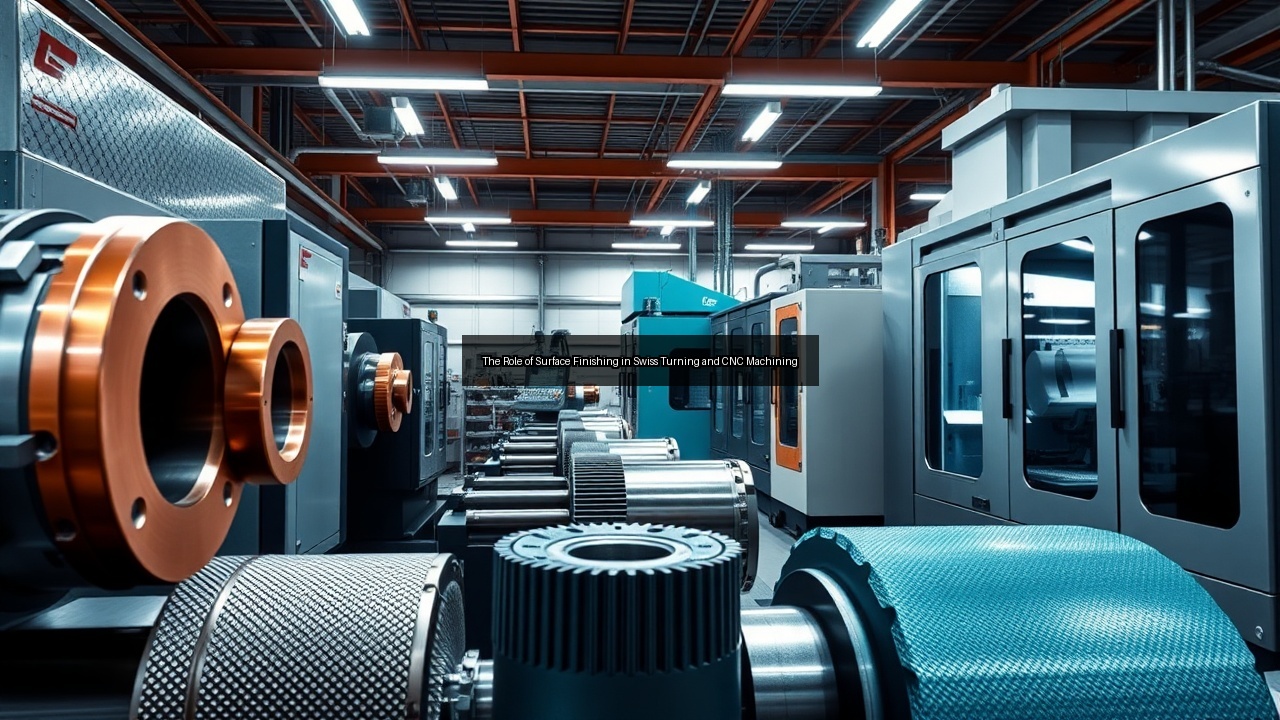
Understanding Surface Finishing in Swiss Turning and CNC Machining
What is Surface Finishing?
Surface finishing refers to the various processes that enhance the surface quality of a machined part. In precision machining, achieving the desired surface finish is crucial for ensuring optimal performance, aesthetics, and longevity of components. Techniques such as polishing, grinding, and plating are commonly employed to achieve specific surface characteristics. For swiss turning and CNC machining, surface finishing is not merely an optional step; it is integral to the final product’s functionality. Factors like roughness, texture, and geometry all play significant roles in the performance of parts, particularly in high-precision applications where tolerances are tight.
Importance of Surface Finish in Precision Machining
The surface finish of a component directly affects its performance and durability. In industries such as aerospace, automotive, and medical device manufacturing, parts often operate under extreme conditions, where even minor imperfections can lead to failure. High-quality surface finishes minimize friction, reduce wear, and enhance corrosion resistance. Additionally, a smoother surface finish can improve the bonding of coatings and adhesives, which is critical in applications involving plastics like acetal and PTFE. Companies that provide swiss turning services must prioritize surface finishing to meet stringent ISO standards and ensure quality assurance throughout the manufacturing process.
Common Surface Finishing Techniques
Numerous techniques exist for achieving the ideal surface finish, each suited to specific materials and applications. Polishing involves using abrasives to create a reflective surface, while grinding employs rotating wheels to remove material and achieve a smooth finish. Other techniques like electroplating and anodizing add protective coatings to metal parts, enhancing corrosion resistance and aesthetic appeal. In the context of CNC machining, CNC routing can also be used to refine surfaces, especially for plastic materials. Understanding the various surface finishing techniques allows manufacturers to tailor their processes to produce high-quality components that meet precise specifications.
The Impact of Surface Finishing on Swiss Turning Services
Enhancing Tolerances with Surface Finishing
Swiss turning services prioritize precision, making surface finishing a pivotal process in achieving tight tolerances. Swiss lathes are designed to produce components with remarkable accuracy, and surface finishing techniques further enhance this precision. By refining the surface, manufacturers can minimize variations that may occur during machining. This attention to detail is particularly important in sectors like medical device manufacturing, where tolerances can be as tight as a few microns. When a part undergoes proper surface finishing, it not only meets the required specifications but often exceeds them, thereby improving overall product reliability.
Surface Finishing Materials: Metals and Plastics
Surface finishing techniques can be applied to a variety of materials, including metals like steel and copper, as well as plastics such as acetal and PTFE. Each material presents unique challenges and opportunities during the finishing process. For instance, metals often require grinding and polishing to achieve a desired finish, while plastics may need different techniques to avoid melting or warping. Swiss turning services adept at handling both metal and plastic components can offer a competitive edge by providing clients with a diverse range of finished products tailored to their specific requirements. Understanding the characteristics of each material ensures that manufacturers select the most effective finishing techniques, ultimately enhancing the functionality and aesthetic of the final product.
Case Studies: Surface Finishing in Action
Real-world applications demonstrate the significant role of surface finishing in enhancing product performance. For example, a company producing precision medical devices needed to ensure that their components met stringent regulatory standards. By employing advanced surface finishing techniques, they improved the durability and biocompatibility of their products. Another case involves a manufacturer of automotive parts that required specific tolerances for high-performance applications. Through meticulous surface finishing, they were able to achieve the necessary specifications while also enhancing the parts' fatigue resistance. These case studies highlight how successful surface finishing directly correlates with improved product quality and performance in various industries.
Integrating Surface Finishing into CNC Machining Processes
Tools and Techniques for Effective Surface Finishing
Integrating surface finishing into CNC machining processes requires a systematic approach. Utilizing the right tools, such as specialized milling cutters and grinding wheels, is essential for achieving the desired results. Many CNC machines now come equipped with advanced features like adaptive control, which allows for real-time adjustments during the finishing process. Techniques such as laser finishing and vibratory finishing have also gained traction, offering unique benefits for different materials. For manufacturers, understanding these tools and techniques ensures they can deliver high-quality components that satisfy client specifications while optimizing production efficiency.
Quality Assurance in Surface Finishing
Quality assurance remains a cornerstone of effective surface finishing. Implementing rigorous inspection processes at various stages of production helps identify and rectify potential issues before they escalate. Techniques such as surface profilometry allow for precise measurement of surface roughness, while visual inspections can catch defects that might not be immediately detectable. Adhering to ISO standards guarantees that the finished products meet industry requirements. Companies like Hogge Precision Parts and McCormick Industries exemplify best practices in quality assurance, ensuring that their surface finishing processes consistently yield top-notch results.
Future Trends in CNC Machining and Surface Finishing
The landscape of CNC machining and surface finishing is evolving rapidly. Emerging technologies like additive manufacturing and 3D printing are beginning to influence traditional machining techniques. These innovations allow for creating complex geometries with minimal post-processing, although surface finishing remains vital for optimal performance. Artificial intelligence and automation are also making their way into machining processes, enhancing precision and efficiency. As these trends develop, manufacturers must adapt and integrate new technologies into their surface finishing processes to maintain competitive advantages in a fast-paced market.
Choosing the Right Swiss Turning Service for Your Project
Key Factors to Consider: ISO Standards and Quality Assurance
Selecting the right swiss turning service involves careful consideration of various factors. ISO certification is a critical indicator of a company’s commitment to quality assurance and adherence to industry standards. These standards ensure consistency in manufacturing processes and product quality, making them essential for high-stakes industries. Additionally, evaluating a company's experience and expertise in handling specific materials and finishes can influence project outcomes. A manufacturer that understands the intricacies of both machining and surface finishing will likely deliver superior results, making it essential to ask potential partners about their quality assurance practices and certifications.
Comparing CNC Turning Services: Hogge Precision Parts vs. McCormick Industries
When comparing CNC turning services like Hogge Precision Parts and McCormick Industries, consider their capabilities, reputation, and track record. Hogge Precision Parts specializes in high-tolerance swiss turning services, leveraging advanced technology to deliver precise and reliable components. McCormick Industries, known for its extensive experience in various sectors, offers a broad range of machining services, including surface finishing. Evaluating customer reviews and case studies can provide insights into each company’s strengths and weaknesses. Ultimately, the right choice hinges on finding a service that aligns with your project requirements and quality expectations.
Tailoring Swiss Machining Services for Specific Materials
Different projects require different materials, and tailored swiss machining services can accommodate this diversity. Whether working with metals like steel and copper or engineering plastics such as acetal and PTFE, understanding the unique properties of each material is essential for achieving optimal results. A good swiss turning service will not only apply the appropriate surface finishing techniques but also adapt their machining processes to suit the material's characteristics. This adaptability enhances the overall quality and performance of the final product, ensuring that clients receive components that meet their specific needs and applications.
See Also
- Choosing the Right Materials for Swiss Turning Services: A Guide
- Unlocking Precision with Swiss Turning Services for High-Tech Manufacturing
- The Impact of Swiss Turning on the Production of Precision Parts
- Understanding Tolerances in Swiss Turning and CNC Machining
- How Swiss Turning Services are Revolutionizing Aerospace Manufacturing