Exploring the Future of Thermoset Injection Molding in Sustainable Manufacturing
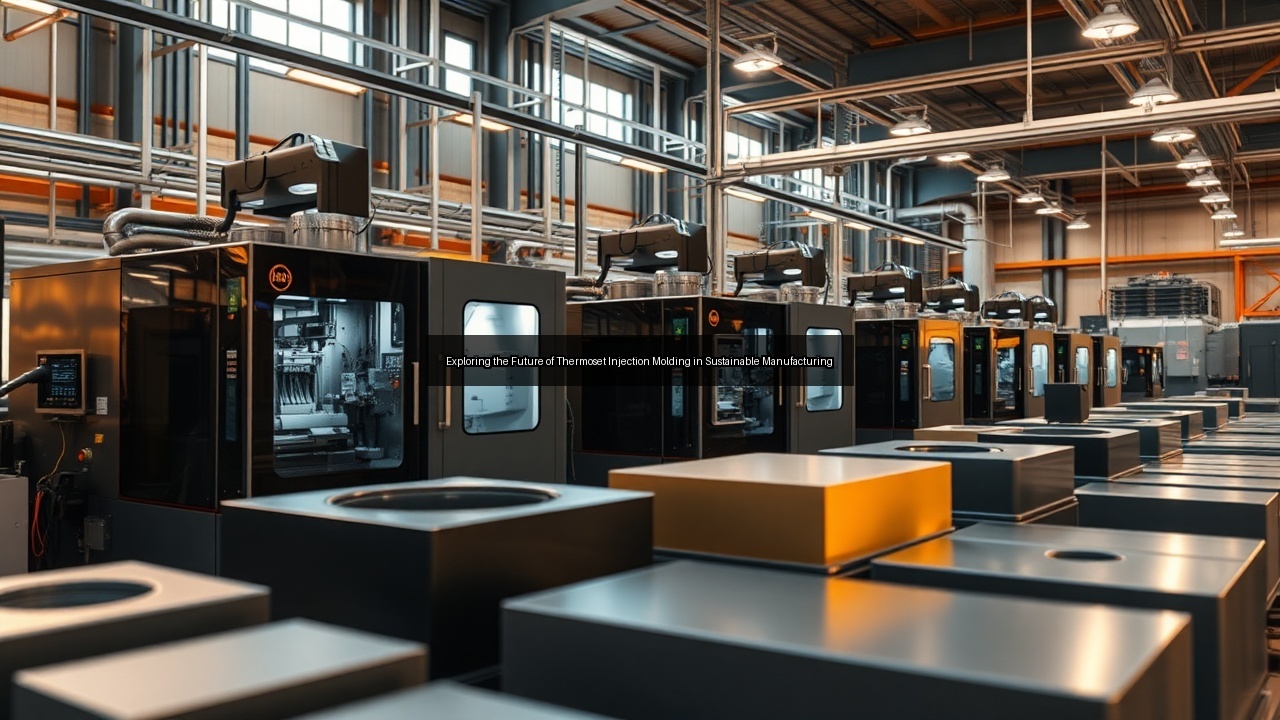
The Role of Thermoset Injection Molding in Sustainable Manufacturing
Overview of Thermoset Materials
Thermoset materials are a class of polymers that undergo a chemical change when heated, resulting in a hardened, inflexible structure. Unlike thermoplastics, which can be melted and reshaped multiple times, thermosets maintain their shape permanently once cured. This unique property makes thermoset injection molding a popular choice for applications requiring durability and thermal stability. Common thermoset materials include epoxy, phenolic, and polyester resins. Their inherent strength and resistance to chemicals and temperature extremes make them ideal for various industries, including automotive, aerospace, and medical. As the push for sustainable manufacturing intensifies, thermoset materials offer an eco-friendly alternative, particularly in applications where long-lasting performance is crucial.
Advantages of Thermoset Injection Molding for Sustainability
Thermoset injection molding presents several advantages that align with sustainable manufacturing practices. First, the durability of thermoset materials reduces the need for frequent replacements, leading to less waste over time. This longevity contributes to a lower carbon footprint and minimizes the environmental impact associated with production and disposal. Additionally, thermoset injection molding allows for precise control over the molding process, which helps reduce material waste during production. The ability to recycle certain thermoset polymers through advanced chemical recycling methods further enhances their sustainability profile. Manufacturers can also utilize bio-based thermoset materials, which offer an even greener alternative while maintaining performance. Such innovations position thermoset injection molding as a key player in the shift toward more sustainable manufacturing processes.
Comparing Thermoset and Thermoplastic Injection Molding
When comparing thermoset and thermoplastic injection molding, several fundamental differences emerge. Thermoplastics can be reheated and reshaped, making them versatile for various applications. However, their reusability can lead to lower durability compared to thermosets, which provide unmatched strength and thermal resistance. Cost also plays a significant role; thermoplastics generally have lower material costs and shorter cycle times, making them attractive for high-volume production. In contrast, thermoset injection molding often involves longer curing times but yields products that withstand harsh environments. Each type has its niche; while thermoplastics dominate in consumer goods and packaging, thermosets excel in heavy-duty applications. Understanding these differences helps manufacturers select the most suitable material for their specific needs.
Innovative Applications of Thermoset Injection Molding
Use in Composite Manufacturing
Thermoset injection molding significantly contributes to composite manufacturing, where strength and lightweight characteristics are paramount. Composites made from thermoset materials enhance structural integrity while reducing overall weight, crucial in industries like aerospace and automotive. The molding process allows for the incorporation of fibers, such as carbon or glass, which further improve mechanical properties. These composites can be tailored for specific applications, offering solutions that traditional materials cannot match. For instance, in the construction of aircraft components, thermoset composites resist fatigue and provide superior thermal stability. The versatility in design and performance makes thermoset injection molding an ideal choice for engineers looking to innovate and create high-performance composite materials.
Thermoset Components in the Automotive Industry
The automotive industry increasingly relies on thermoset components due to their high-performance properties. Thermoset injection molding produces parts that withstand extreme temperatures and harsh chemicals, making them suitable for critical applications like engine components, electrical housings, and interior fittings. These materials also contribute to weight reduction, improving fuel efficiency without compromising safety or durability. Manufacturers can create complex geometries through injection molding, optimizing designs for both function and aesthetics. Furthermore, the ability to integrate thermosets with other materials through techniques like overmolding enhances design flexibility, resulting in innovative components that meet the evolving needs of the automotive sector. As electric vehicles gain popularity, the demand for lightweight, robust thermoset components is likely to rise, driving further advancements in this area.
Applications in Medical Devices and ISO 13485 Compliance
In the medical sector, thermoset injection molding plays a crucial role in producing reliable and compliant devices. Many medical devices require stringent adherence to standards such as ISO 13485, which governs quality management systems for medical devices. Thermoset materials provide the necessary biocompatibility and durability essential for applications ranging from surgical instruments to diagnostic equipment. The injection molding process allows for intricate designs that meet the functional requirements of these devices. Moreover, manufacturers can implement efficient production methods that minimize waste while ensuring quality. As the healthcare industry continues to evolve, thermoset injection molding stands poised to deliver innovative solutions that enhance patient care and safety.
Technological Advancements in the Molding Process
Integration of CNC Machines and Lathe Technology
Technological advancements have transformed the molding process, particularly with the integration of CNC machines and lathe technology. These precision tools enhance the accuracy of thermoset injection molding, allowing manufacturers to achieve tighter tolerances and complex geometries. CNC machines automate cutting and shaping processes, resulting in higher efficiency and reduced lead times. This level of precision is critical when producing components that demand exact specifications, especially in sectors like aerospace and medical devices. The combination of CNC technology with traditional lathe operations enables manufacturers to streamline production, reduce waste, and improve overall quality. As these technologies evolve, the capabilities of thermoset injection molding will expand, opening new avenues for innovation and application.
Advancements in Overmolding and Insert Molding Techniques
Overmolding and insert molding techniques have seen significant advancements, enhancing the versatility and efficiency of thermoset injection molding. Overmolding allows manufacturers to combine multiple materials in a single part, improving functionality and user experience. For example, a soft thermoplastic overmold can provide a comfortable grip on a hard thermoset base, creating ergonomic products that cater to consumer preferences. Insert molding, on the other hand, integrates pre-fabricated components into the molding process, fostering stronger bonds and reducing assembly time. These advancements not only improve production efficiency but also open opportunities for creating innovative designs that maximize the benefits of both thermoplastic and thermoset materials. As industries demand more complex and multifunctional components, these techniques will play a pivotal role in meeting those challenges.
Emerging Trends in Liquid Silicone Rubber Applications
Liquid silicone rubber (LSR) is gaining traction in thermoset injection molding, driven by its unique properties and versatility. LSR offers excellent thermal stability, chemical resistance, and biocompatibility, making it ideal for various applications, including consumer goods, automotive, and medical devices. The injection molding of LSR allows for rapid production of intricate shapes and designs, which is essential in industries requiring high precision and quality. Additionally, LSR can be used in conjunction with other thermoset materials, enabling manufacturers to leverage the strengths of both. Emerging trends indicate a growing preference for LSR in applications like seals, gaskets, and soft-touch surfaces, reflecting the material's adaptability to diverse needs. This trend highlights the ongoing evolution of thermoset injection molding and its potential to meet future manufacturing challenges.
Challenges and Solutions in Thermoset Injection Molding
Addressing Chemical Compatibility Issues
One of the primary challenges in thermoset injection molding involves chemical compatibility issues. Different thermoset materials can react negatively when combined, leading to compromised performance or failures in the final product. Manufacturers must carefully select compatible materials and conduct thorough testing to ensure optimal results. Advances in material science have led to the development of new thermoset formulations that offer better compatibility with other polymers and additives, reducing the likelihood of adverse interactions. By investing in research and development, companies can find solutions that enhance the performance and durability of thermoset products, addressing compatibility concerns effectively while expanding the range of applications.
Reducing Waste in the Molding Process
Waste reduction remains a critical concern in the thermoset injection molding process. Excess material can lead to increased costs and environmental impact. Manufacturers are exploring various strategies to minimize waste, such as optimizing mold design and using advanced simulation software to predict material flow and identify potential issues before production. Implementing closed-loop systems and recycling programs for scrap materials also contributes to waste reduction efforts. By adopting lean manufacturing principles, companies can streamline operations, reduce waste, and improve overall efficiency in thermoset injection molding. This proactive approach not only benefits the bottom line but also aligns with the principles of sustainable manufacturing.
Future Directions for Thermoset Solutions
The future of thermoset injection molding looks promising as industries continue to seek innovative solutions. Ongoing research into bio-based thermoset materials and advanced recycling techniques will likely shape the next generation of products. Enhanced automation and smart manufacturing technologies will also redefine the molding process, improving precision and efficiency. Additionally, as industries move toward sustainable practices, the development of eco-friendly thermoset solutions will gain traction. Companies committed to exploring these avenues will position themselves as leaders in the evolving landscape of thermoset injection molding, driving both innovation and sustainability in manufacturing.
See Also
- The Environmental Impact of Thermoset Injection Molding and Future Solutions
- A Guide to Designing Molds for Thermoset Injection Molding Success
- Exploring the Cost Benefits of Choosing Thermoset Injection Molding for Manufacturing
- How to Optimize Your Thermoset Injection Molding Process for Efficiency